Indoor Air Quality
Just Renovated? Here's the Invisible Guest You Didn't Invite
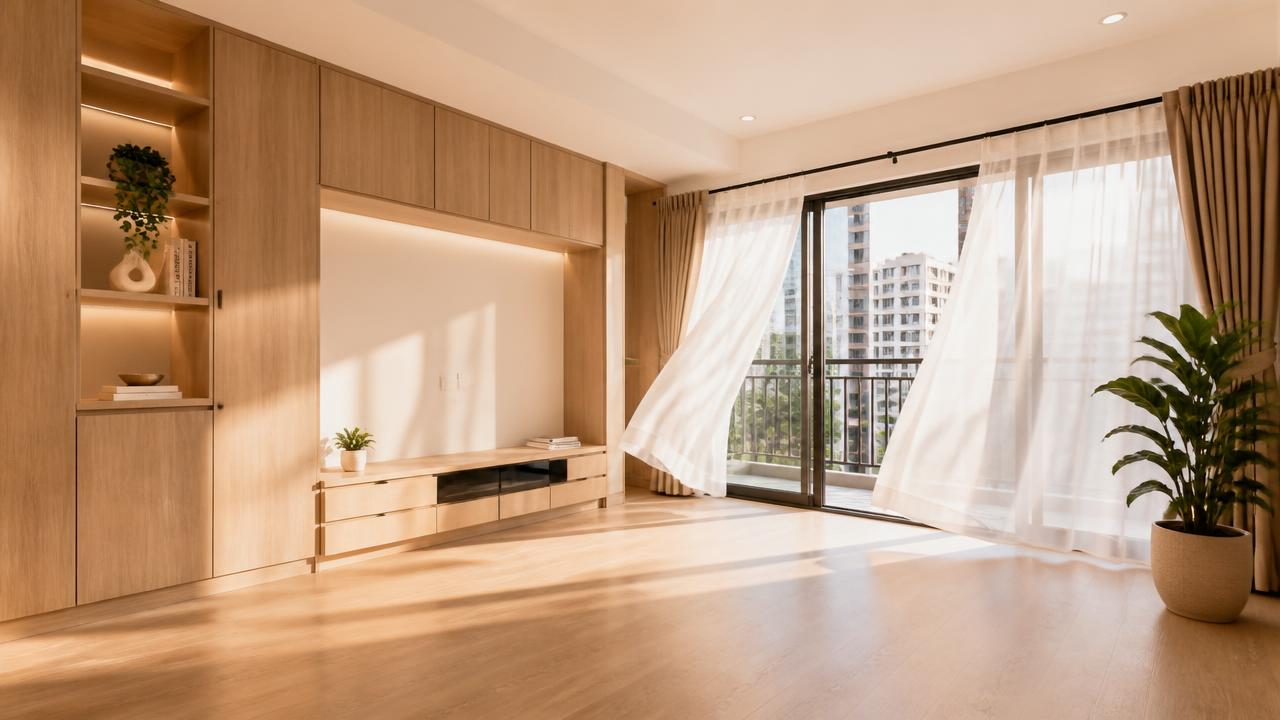
You've Finished Renovating. But Is Your Home Ready to Breathe In?
You've finally completed your renovation.
The new cabinets are installed. The flooring looks great. Your home feels fresh, modern, and completely transformed.
Then there's that familiar "new home smell."
It may feel like a sign that everything is new—but some of that smell can come from chemicals released by newly installed materials, furniture, coatings, adhesives, and furnishings.
One chemical that homeowners often hear about is formaldehyde.
You cannot see it, and smell alone is not a reliable way to determine how much is present. Yet after a renovation, several new materials may release small amounts of formaldehyde and other volatile organic compounds, or VOCs, into the same indoor space.
If you have just renovated a BTO flat, condominium, or landed home in Singapore, understanding indoor air quality can help you make more informed decisions before moving in.
"Your renovation may be complete—but your move-in preparation may not be."
Wait—What Is Formaldehyde?
Formaldehyde is a colourless gas that may have a strong, chemical-like smell at higher concentrations. It is used in the production of some building materials, engineered wood products, resins, adhesives, coatings, fabrics, and household products.
After these materials are manufactured and installed, they may gradually release formaldehyde into the surrounding air. This process is commonly known as off-gassing—a slow release from certain materials, not a single event that ends when the renovation contractor leaves.
Common sources may include
- Plywood and other engineered wood products
- Medium-density fibreboard, or MDF
- Particleboard
- Built-in wardrobes and kitchen cabinets
- Laminates and some flooring materials
- Adhesives and installation products
- Paints, coatings, and wallpaper adhesives
- New furniture, mattresses, upholstery, and foam products
- Treated fabrics and furnishings
The amount released can vary depending on the material, product formulation, temperature, humidity, ventilation, and age of the product.
Why Does Formaldehyde Matter After Renovation?
A newly renovated home may contain many new materials at the same time.
Your carpentry may be new. Your flooring may be new. Your paint, curtains, furniture, mattress, and sofa may also be new. Each product may contribute differently to the overall indoor environment, so it helps to consider the combined effect of multiple sources rather than one cabinet or one piece of furniture.
In Singapore, warm and humid conditions may also influence how quickly some materials release chemicals. Homes that remain closed for long periods or rely heavily on air-conditioning may have less natural air exchange than homes with regularly opened windows.
This does not mean that every newly renovated home has unsafe formaldehyde levels. It means indoor air quality is worth considering—especially when many new materials have been introduced at once.
It May Be the Combined Effect
Indoor air quality is influenced by the combined effect of multiple materials, ventilation, and environmental conditions.
How Can Formaldehyde Affect Health?
The health effects of formaldehyde depend on factors such as concentration, duration of exposure, individual sensitivity, and the surrounding environment. At higher concentrations, it may irritate the eyes, nose, throat, skin, and respiratory system.
Some people may experience
- Watery or irritated eyes
- A burning or scratchy sensation in the nose or throat
- Coughing
- Headaches
- Skin irritation
- Respiratory discomfort
These symptoms are not specific to formaldehyde and may also have other causes. A smell or symptom alone cannot confirm the presence or concentration of formaldehyde.
Formaldehyde has also been classified as carcinogenic to humans based on evidence associated with certain exposure conditions. The health risk depends on exposure level and duration, which is why it is important to avoid making assumptions based only on how a home smells.
Children, older adults, people with respiratory sensitivities, and other vulnerable household members may require additional consideration when planning a move into a newly renovated space. If anyone experiences persistent or severe symptoms, seek advice from an appropriate healthcare professional.
Where Could Formaldehyde Be Found in a Newly Renovated Home?
Formaldehyde is not usually linked to one obvious item. It may be released from several products throughout the home.
Built-In Carpentry
Wardrobes, kitchen cabinets and consoles may use plywood, MDF, particleboard, laminates and adhesives.
Flooring
Adhesives, underlay, sealants and surface coatings used during installation may contribute alongside the flooring itself.
New Furniture
Sofas, mattresses, upholstery, foam products and treated fabrics may release chemicals in their early period of use.
Paint and Coatings
Paints, varnishes and wallpaper adhesives may release VOCs as they dry and cure.
Doors and Finishing Materials
Doors, skirting, wall panels and decorative features may each add a small contribution.
Potential emissions vary by material, product, age, ventilation, temperature, and humidity.
1. Built-In Carpentry and Wardrobes
New wardrobes, kitchen cabinets, TV consoles, shoe cabinets, and storage systems may contain engineered wood products or resins such as plywood, MDF, particleboard, laminates, adhesives and edge-banding materials. The type and emission rating of the material can affect its potential emissions—though lower-emission materials do not necessarily mean zero emissions.
2. Flooring and Installation Materials
Some flooring systems may involve adhesives, underlay materials, surface coatings and sealants. The flooring material itself is only one part of the overall installation; the products used underneath or around it may also contribute to indoor air emissions.
3. New Furniture and Soft Furnishings
New sofas, mattresses, curtains, upholstered furniture, foam products and treated fabrics may release different chemicals during their early period of use. These are often introduced after renovation cleaning, which means the indoor environment can continue changing even after the contractor has completed the work.
4. Paints, Coatings, and Wallpaper Adhesives
Paints and coatings may release VOCs as they dry and cure. Some products are marketed as low-VOC or environmentally preferred. These may reduce certain emissions, but homeowners should still review product information and allow suitable ventilation.
5. Doors, Skirting, and Other Finishing Materials
New doors, skirting, wall panels, decorative features and other finishing materials may also contribute. Each item may have a relatively small contribution—but several new products in a closed room can add up.
The "New Home Smell" Is Not a Reliable Test
Many homeowners use smell as a quick way to judge whether a home is ready: "If I cannot smell anything unusual, the air must be fine."
Unfortunately, smell is not a reliable measurement tool. Some chemicals can be present at concentrations below the level that people can easily detect. At the same time, a strong smell does not automatically tell you which chemical is present or whether a specific health guideline has been exceeded.
Your sense of smell may also become less sensitive after continued exposure to the same odour. This is sometimes called olfactory adaptation. That is why a home should not be judged only by whether it smells "new," "chemical," or "normal."
What Your Nose Can Tell You
- A smell may be noticeable
- Odours can change over time
- Smell alone cannot identify or measure formaldehyde
What Appropriate Testing Can Tell You
- Measured concentration
- Results by location or room
- Information that can be compared with relevant guidelines
Testing methods, sampling conditions, and equipment affect how results should be interpreted.
How Do You Know Whether Formaldehyde Is a Concern?
You cannot determine a formaldehyde concentration simply by looking at a room or smelling the air. If you want a measured assessment, testing should use suitable equipment and an appropriate sampling method.
A professional assessment may consider
- Formaldehyde concentration
- The location of each measurement
- Room conditions
- Ventilation status
- Temperature and humidity
- Recent renovation or furnishing activity
- The limitations of the testing method
Results are commonly reported using units such as milligrams per cubic metre (mg/m³) or parts per million (ppm). The interpretation of a result should consider the applicable guideline, the measurement method, and the conditions during testing.
A single reading should not automatically be treated as a complete picture of long-term exposure. Equipment, sampling duration, calibration, placement and environmental conditions all affect how results should be understood.
Common Assumptions Homeowners Get Wrong
What Can Homeowners Do Before Moving In?
There is no single solution suitable for every home. The right approach depends on the materials used, the renovation timeline, the home's ventilation, and any measured results. These practical steps may help.
1. Ventilate the Home Regularly
Open windows and doors when weather, safety and building conditions allow. Where appropriate, create airflow across the home rather than opening only one window.
2. Allow Time Before Moving In
If your schedule allows, avoid moving in immediately after the final renovation work. This may provide more time for materials to dry, cure and air out.
3. Review the Materials Used
Ask your renovation contractor or interior designer for information about:
- Carpentry board type
- Emission classifications
- Paint and coating specifications
- Adhesives and sealants
- Flooring materials
Keep product information where possible, especially if you plan to investigate indoor air quality later.
4. Avoid Adding Too Many New Items at Once
A newly renovated home may already contain many new materials. If possible, consider staggering the delivery of new furniture and soft furnishings rather than introducing everything into a closed home on the same day.
5. Keep the Home Clean
Post-renovation cleaning is important for removing dust, construction residue and particles left behind after renovation work. Cleaning does not replace air-quality testing or source control, but it can be an important part of preparing the home for move-in.
6. Consider Professional Testing When Appropriate
- You want an objective measurement
- The home has extensive new carpentry
- There is a persistent chemical-like odour
- Household members are particularly sensitive
- You want more information before moving in
- You need to assess a specific room or area
A Simple Move-In Indoor Air Quality Timeline
- Step 1
Renovation completed
Major carpentry, painting, flooring and installation work is finished.
- Step 2
Contractor rectification
Defects and outstanding works are addressed before final preparation.
- Step 3
Post-renovation cleaning
Renovation dust, debris, surface residue, cabinets, floors and accessible areas are cleaned.
- Step 4
Ventilation period
The home is ventilated where practical to encourage air exchange.
- Step 5
Air assessment if needed
Appropriate testing may be considered when an objective measurement is required.
- Step 6
Furniture move-in
New furnishings are introduced, ideally with continued attention to ventilation.
- Step 7
Enjoy your home
Continue good ventilation and regular cleaning as part of normal home care.
How Homesy Can Support Your Move-In Preparation
Renovation already involves many moving parts. You may be coordinating contractors, checking defects, arranging furniture deliveries, managing handover dates and preparing for move-in.
Homesy aims to make the cleaning stage simpler. Our post-renovation cleaning service focuses on preparing your home by addressing renovation dust, surface residue, built-in carpentry, floors, kitchens, bathrooms and other accessible areas included in the agreed cleaning scope.
Homesy does not claim that cleaning makes a home "formaldehyde-free" or permanently free of emissions. Indoor air conditions can change over time and depend on the sources present, ventilation and environmental conditions. Our goal is to help homeowners better understand their home's condition and prepare their space for a more comfortable move-in.
Before You Move In
- Renovation works completed
- Major defects rectified
- Post-renovation cleaning completed
- Home ventilated where practical
- Materials and product information reviewed
- Indoor-air testing considered if appropriate
- Furniture delivery planned
Your Home Should Feel Fresh—Not Like Another Problem to Solve
A renovation is the beginning of a new chapter. The cabinets are finished. The flooring is installed. The space finally feels like yours.
Before moving in, take time to look beyond what you can see. Clean away the renovation dust. Ventilate the home. Review the materials used. Consider appropriate testing if you want objective information about the indoor environment.
Homesy is here to help with the cleaning and move-in preparation—so you can spend less time worrying about what may be left behind and more time enjoying your newly renovated home.
Frequently Asked Questions
Continue Your Move-In Preparation
Post-Renovation Cleaning
Post-Renovation Cleaning Checklist Singapore: 30 Things to Check Before Moving In
Moving into a newly renovated home? Use this post-renovation cleaning checklist to check renovation dust, cabinets, wardrobes, kitchens, bathrooms, windows and floors before move-in.